No Medical Card Needed Private 30 mins Local Delivery Next-Day Nationwide Shipping

Why Home Cannabis Growing Is Still Illegal (And Why It’s Not as Simple as It Sounds)
Why is home cannabis growing illegal in many places? A plain-English explanation of safety, enforcement, and local realities that most people don’t realize.
LIFE STYLE
Flower Girl
1/20/20262 min read
Visit US
Order Delivery
Read More Articles
Perspective Vlog
Why This Question Comes Up So Often
For many people, the question feels logical:
“If cannabis is legal to buy, why can’t I grow a few plants at home?”
This question shows up frequently in local searches, especially in states where dispensaries operate openly. From a consumer’s perspective, home growing feels personal, small-scale, and harmless.
But the reason home cannabis growing is still illegal in many places isn’t about distrust of individuals — it’s about what becomes difficult to control once growing happens inside private homes.
The Issue Isn’t the Plant — It’s the Environment
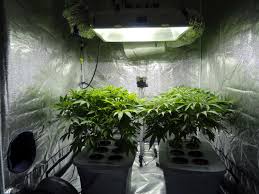
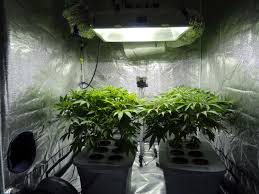
From a regulatory standpoint, cannabis cultivation isn’t just about a plant in soil. It involves:
• High-powered lighting
• Modified electrical setups
• Ventilation systems
• Water use and humidity control
In residential neighborhoods, these setups can create fire hazards, mold risks, and structural issues, especially in apartments, condos, or older homes.
Local governments don’t have a practical way to inspect or monitor thousands of private residences safely or consistently.
Enforcement Becomes Complicated Very Quickly
Another major issue is scale.
A few plants may be the intention — but enforcement agencies have no reliable way to confirm that’s where it stops. Once home growing is allowed, distinguishing between personal use and unlicensed distribution becomes difficult.
This creates challenges for:
• Local law enforcement
• Zoning departments
• Neighborhood safety complaints
Rather than policing intent, regulations tend to limit activity to licensed, inspected facilities.
Why Licensed Cultivation Is Treated Differently
Commercial growers operate under strict conditions:
• Inspected facilities
• Electrical and fire compliance
• Environmental controls
• Traceability and reporting
These standards are designed to protect workers, nearby residents, and the surrounding community. Applying the same level of oversight to private homes would be unrealistic and costly.
That’s why legality often draws the line at where cannabis is grown, not whether cannabis exists at all.
Why This Matters More in Dense Neighborhoods
In cities and dense residential areas, one home grow can affect many others. Odor complaints, moisture buildup, and electrical strain don’t stay contained within one unit.
This is especially true in:
• Apartment buildings
• Townhomes
• Shared HVAC environments
Local rules often reflect these realities rather than individual intent.
A Common Misunderstanding About “Fairness”
Many people feel home growing should be treated like growing tomatoes or herbs. The difference is that cannabis cultivation typically involves artificial conditions that alter the home itself.
From a local perspective, the question becomes less about personal freedom and more about shared living environments and safety.
What This Means for Consumers
For now, the legal system prioritizes:
• Regulated cultivation
• Clear boundaries
• Predictable enforcement
This doesn’t mean attitudes won’t evolve — but current rules reflect practical constraints rather than moral judgment.
Understanding the reasoning helps explain why home growing remains restricted even as access expands.
FAQ
Why is home cannabis growing illegal if dispensaries are legal?
Because cultivation introduces safety, enforcement, and environmental issues that are hard to regulate in private homes.
Is the concern mainly about control?
It’s more about safety, inspection limits, and distinguishing personal use from unlicensed distribution.
Do all states ban home growing?
No. Rules vary widely, often based on housing density, enforcement capacity, and local policy priorities.
Brand
Contact us
© 2026. All rights reserved.
Your Satisfaction Matters
We’re happy to assist with returns or exchanges.
To qualify, items must be unused, in their original condition, and in the original packaging. If you’ve already tried the product and aren’t fully satisfied, please contact our support team We’ll be glad to explore available options with you. In some situations, only a partial refund may be possible, but rest assured—we’ll always do our best to take care of you!

All products are compliant with the U.S. Farm Bill and contain less than 0.3% Δ9-THC. All products and website are intended for ADULT use only. Full disclaimer in Terms of Service. The information on this site hasn’t been reviewed by the U.S. Food and Drug Administration. Our products aren’t meant to diagnose, treat, cure, or prevent any illness. Everything we share is for general knowledge and should never replace advice from your healthcare provider. Please avoid using these products while driving or operating heavy equipment.
Term&Conditions Privacy Policy FDA&STATE
Programs
Flower Neighbor is a culture-driven cannabis retail group, offering compliant, hemp-derived cannabinoid products in a welcoming and informed environment.
Clear, legal, and local cannabis guidance in Florida.
Helping consumers understand real boundaries, avoid gray areas, and make safer choices.
Phone: 407.789.1777
Email: hello@flowerneighbor.com
Instagram:
Locations: Orlando, Kissimmee, Hallandale Beach, Gainesville.
Store hours and directions available on Google Maps.


